🗓️ Last updated: 2026-10-07
Key takeaways
- Air cargo is best for urgent, high-value, and low-volume shipments.
- Sea cargo is the most economical choice for bulk and oversized loads.
- Textile exporters should use air for samples/launches and sea for bulk stock.
- Turkey Cargo uses technology and dedicated managers to optimize the choice between these modes.
Air Cargo vs Sea Cargo: Which One Should You Choose?
The choice between air and sea cargo depends entirely on your priority: choose air freight for urgent, low-volume, or high-value shipments where speed is critical, and opt for sea freight for large-volume, heavy loads where cost-efficiency is the primary goal. For most businesses exporting from Turkey, the decision is a trade-off between the rapid transit times of aircraft and the economical capacity of container ships.
At Turkey Cargo, we don’t just move goods; we integrate technology into this decision process. Instead of guessing your costs, you can use our volumetric weight calculator to see exactly how your cargo dimensions impact the final price across different modes of transport.
How Do Air and Sea Freight Compare in 2026?
The primary differences lie in the balance of speed, cost, and capacity. While air transport minimizes the time goods spend in transit, sea transport maximizes the amount of product moved per dollar spent. Below is a detailed breakdown of the decision criteria for 2026.
| Decision Criteria | Air Freight | Sea Freight |
|---|---|---|
| Transit Time | Fastest (Days) | Slower (Weeks) |
| Cost | Higher per kg | Economical for bulk |
| Cargo Volume | Ideal for small/medium loads | Ideal for oversized/bulk |
| Risk & Security | Low handling, high security | More handling, weather-dependent |
| Environmental Impact | Higher CO2 emissions | Lower CO2 per ton |
| Customs Complexity | Fast processing | Detailed documentation |
For a deeper dive into the environmental and cost trade-offs, you can explore the Air Freight vs Sea Freight calculator for a broader perspective on CO2 and costs.
Which Method is Best for Textile and Apparel Exporters?
Textile and Apparel Exporters often face the challenge of seasonal fast-fashion cycles where missing a store launch date can lead to significant financial losses. In these cases, Air Freight is the strategic choice for new collection launches or urgent sample shipments to ensure market timing. However, for bulk seasonal stock replenishment, shifting to Sea Freight is the only way to maintain healthy profit margins due to the high volume of garments.
To manage this duality, Turkey Cargo provides a dedicated operation manager for each client. This means your textile shipments aren’t just handed to a general pool; a specialist monitors the transit of your fabrics or ready-to-wear items, ensuring that the transition from air cargo from Turkey to sea freight is optimized based on your production calendar.
Is Air Cargo Worth the Higher Cost?
Air cargo is worth the investment when the cost of a delay exceeds the cost of the freight. This is particularly true for perishable goods, high-tech components, or urgent medical supplies. When using our customer panel, you can track these shipments in real-time, reducing the uncertainty that usually accompanies high-cost logistics.
When to prioritize Air Freight:
- Your shipment is time-critical or has a strict deadline.
- The goods are high-value and require maximum security.
- You are shipping small batches to test a new market.
- You are utilizing micro export (ETGB) for e-commerce orders.
When to prioritize Sea Freight:
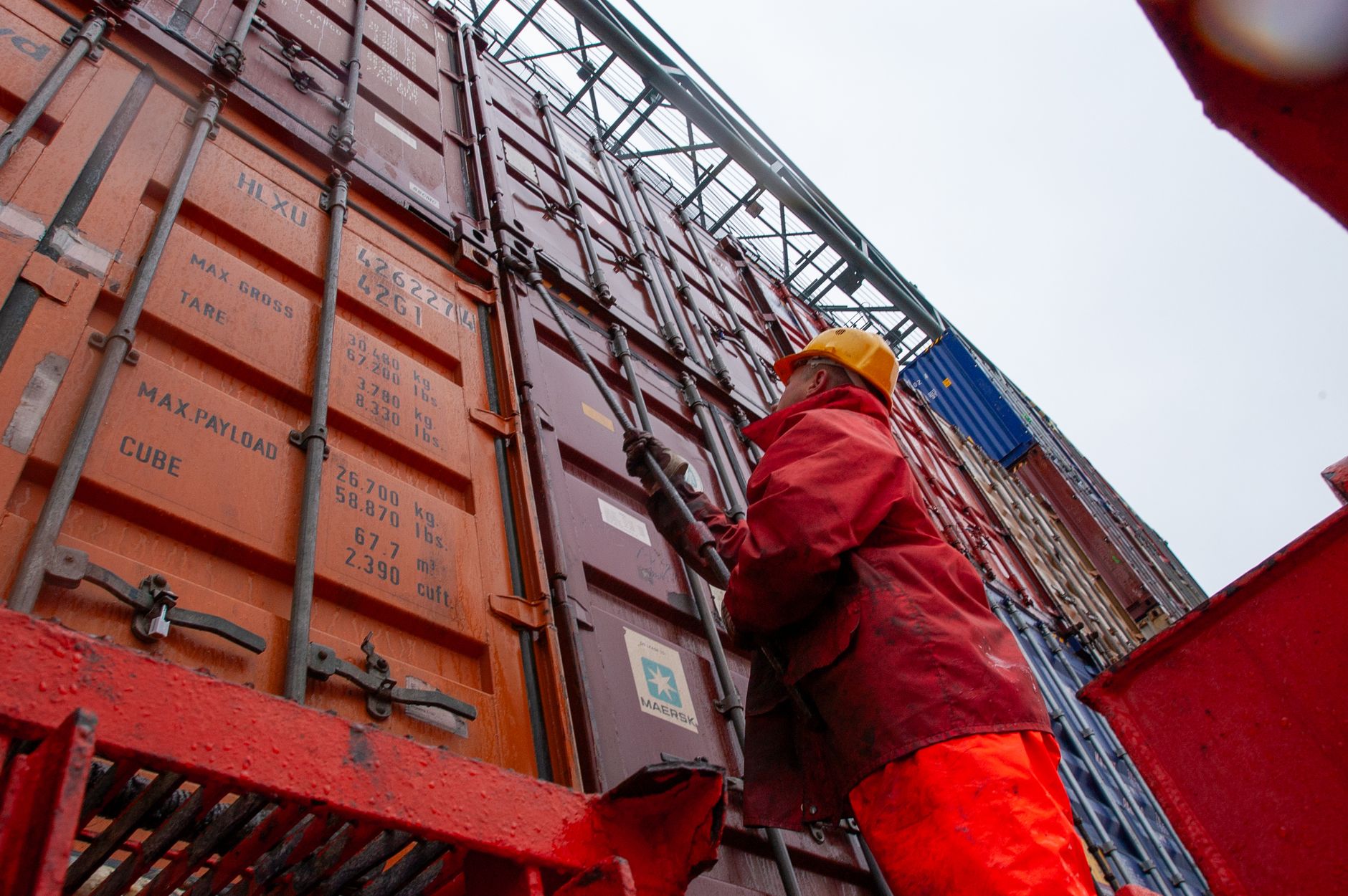
- You are moving oversized machinery or heavy industrial equipment.
- The shipment volume is too large for economical air transport.
- The delivery timeline allows for several weeks of transit.
- Reducing the shipping cost per unit is essential for your pricing strategy.
How Turkey Cargo Simplifies the Decision Process
Unlike traditional forwarders, Turkey Cargo offers a comprehensive service range that removes the friction from whichever method you choose. Whether you opt for the speed of the air or the capacity of the sea, we handle the import and export processes from the ground up. Our expertise extends to sourcing products from Turkish manufacturers and managing the entire flow through our certified dangerous goods and reefer cargo specialists, ensuring that the mode of transport never compromises the quality of the product.
Frequently Asked Questions
While air freight can handle various weights, it becomes exponentially more expensive as weight and volume increase. We recommend using our volumetric calculator to compare the cost difference between air and sea for your specific dimensions.
Yes, this is common for Textile exporters who send samples via air and the main production via sea. Turkey Cargo can manage this multi-modal strategy through a single operation manager.
Air freight generally involves less handling and shorter transit times, which reduces the risk of damage. However, sea freight is highly secure for bulk items when properly packed in containers.