The Eternal Dilemma: Speed vs. Cost in Global Logistics
For businesses importing or exporting from Turkey, the choice between air and sea freight is rarely about which one is ‘better,’ but rather which one aligns with the specific needs of the shipment. The primary friction points for most shippers are cost unpredictability and transit uncertainty. Whether you are moving a full container of textiles or a few urgent electronic components, understanding the trade-offs is essential for maintaining a healthy supply chain.
At Turkey Cargo, we see many clients struggle with these decisions. The goal is to find the ‘sweet spot’ where the cost of transport does not erode the profit margin of the goods, while the delivery speed meets the customer’s expectations.
Air Freight: When Speed is the Only Option
Air freight is the gold standard for urgency. When a production line stops due to a missing part or a seasonal trend demands immediate stock, air transport is the only viable solution. With premium air freight from Turkey, deliveries can often be completed within 24 to 72 hours globally.
When to Choose Air Freight:
- High-Value Goods: Items like jewelry, pharmaceuticals, or high-end electronics where the risk of theft or damage during a long sea voyage is too high.
- Perishable Items: Goods with a very short shelf life that require rapid transit to maintain quality.
- Urgent Deadlines: When the cost of a delayed delivery (such as a contractual penalty) exceeds the higher cost of the air ticket.
- Small Volumes: Shipments that don’t justify the minimum costs associated with sea freight documentation and port fees.
The downside is clearly the cost. Air freight is calculated based on “chargeable weight,” which considers both actual weight and volumetric size, often making it significantly more expensive for bulky items.
Sea Freight: Scaling Your Business Economically
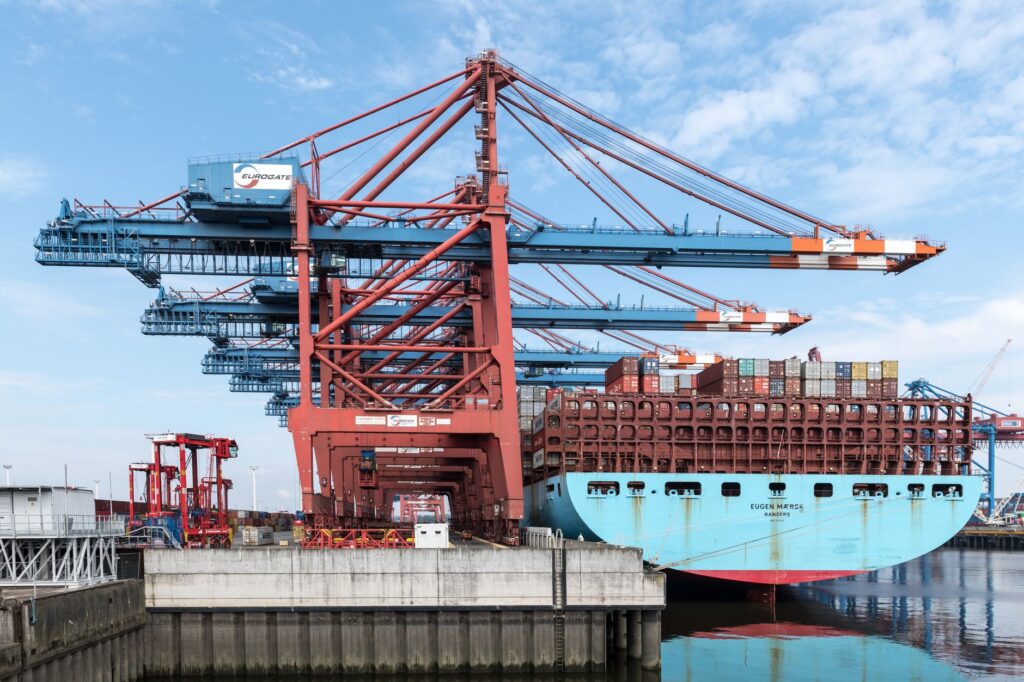
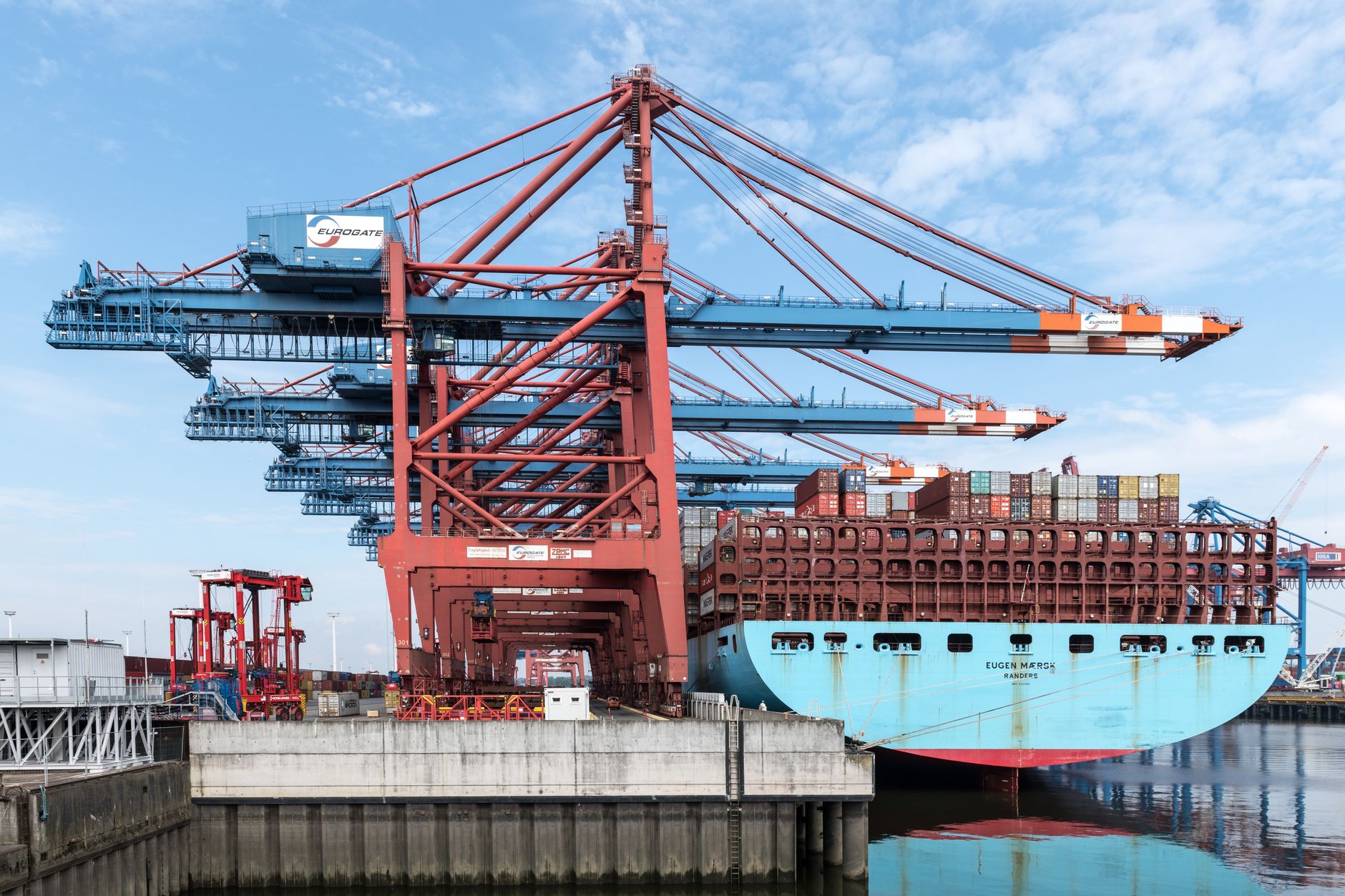
For the vast majority of global trade, sea freight remains the backbone of logistics. It is the most economical way to move large volumes of cargo. When utilizing sea freight from Turkey, businesses can leverage the massive capacity of container ships to keep unit costs at an absolute minimum.
FCL vs. LCL: Which Container Option?
One of the biggest points of confusion in sea shipping is the choice between Full Container Load (FCL) and Less than Container Load (LCL):
- FCL (Full Container Load): You rent the entire container. This is ideal for large shipments or those who prioritize security and speed, as the container is sealed at the origin and opened at the destination.
- LCL (Less than Container Load): Your goods share a container with other shippers. You only pay for the space you use. This is the perfect entry point for small and medium enterprises (SMEs) that cannot fill a 20ft or 40ft container.
While sea freight is vastly cheaper, it comes with a trade-off: time. Depending on the destination, transit can take anywhere from 15 days to several weeks, requiring more precise inventory planning.
Comparing Door-to-Door vs. Port-to-Port Services
Beyond the mode of transport, you must decide on the scope of service. This is where many hidden costs emerge, leading to the “process uncertainty” that plagues many importers.
Port-to-Port (The Budget Approach)
In this model, the carrier is only responsible for moving the cargo from one port/airport to another. The shipper handles the inland transport to the port and the receiver handles the transport from the port to the warehouse. This offers more control but requires a high level of logistics expertise to avoid delays.
Door-to-Door (The Peace-of-Mind Approach)
This is a full-service solution. Turkey Cargo manages the pickup, the main carriage, and the final delivery. This eliminates the stress of coordinating multiple vendors and provides a single point of accountability. For those shipping from Turkey to Europe, door-to-door service is often the most efficient way to avoid the complexities of cross-border regulations.
The Decision Framework: How to Choose?
To simplify your decision, use the following logic:1. Is the cargo worth more than $5,000 per cubic meter or is it time-critical? $
ightarrow$ Choose Air Freight.
2. Is the cargo bulky, heavy, and not urgent? $
ightarrow$ Choose Sea Freight.
3. Do you have enough volume to fill a 20ft container? $
ightarrow$ Choose FCL. Otherwise, go with LCL.
4. Do you have a dedicated logistics team to handle customs and inland trucking? $
ightarrow$ Choose Port-to-Port. If not, choose Door-to-Door.
Regardless of the mode you choose, the most critical part of the journey is the paperwork. Incorrect documentation can lead to costly demurrage charges at the port. This is why integrating professional customs clearance in Turkey into your plan is non-negotiable for a smooth operation.
Choosing the right balance between speed and cost is an art. At Turkey Cargo, we provide the data and the infrastructure to help you make that choice based on reality, not guesswork. Contact us today for a tailored quote that optimizes both your budget and your timeline.
Frequently Asked Questions
Sea freight is significantly cheaper, especially for large and heavy shipments. Air freight is more expensive but offers much faster delivery times.
FCL (Full Container Load) means you pay for the entire container regardless of how much you fill it. LCL (Less than Container Load) allows you to pay only for the space your cargo occupies, sharing the container with others.
Transit times vary by destination; for example, shipments to Europe or the Mediterranean are faster, while shipments to Asia or the Americas can take several weeks.
Yes, regardless of the transport mode, all international shipments entering or leaving Turkey must go through official customs clearance to comply with legal regulations.