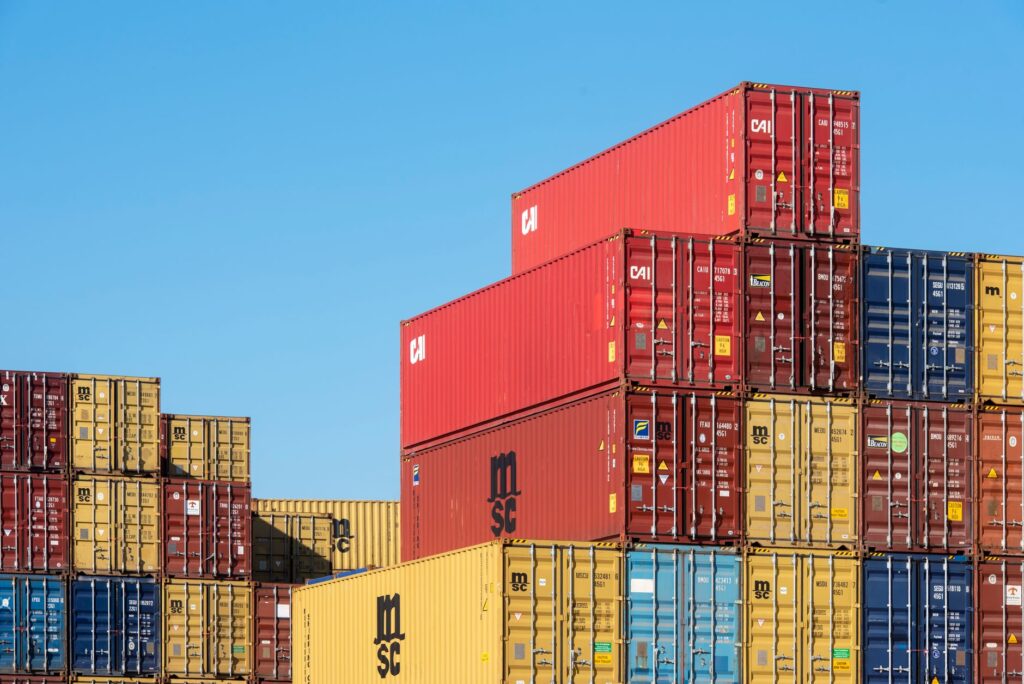
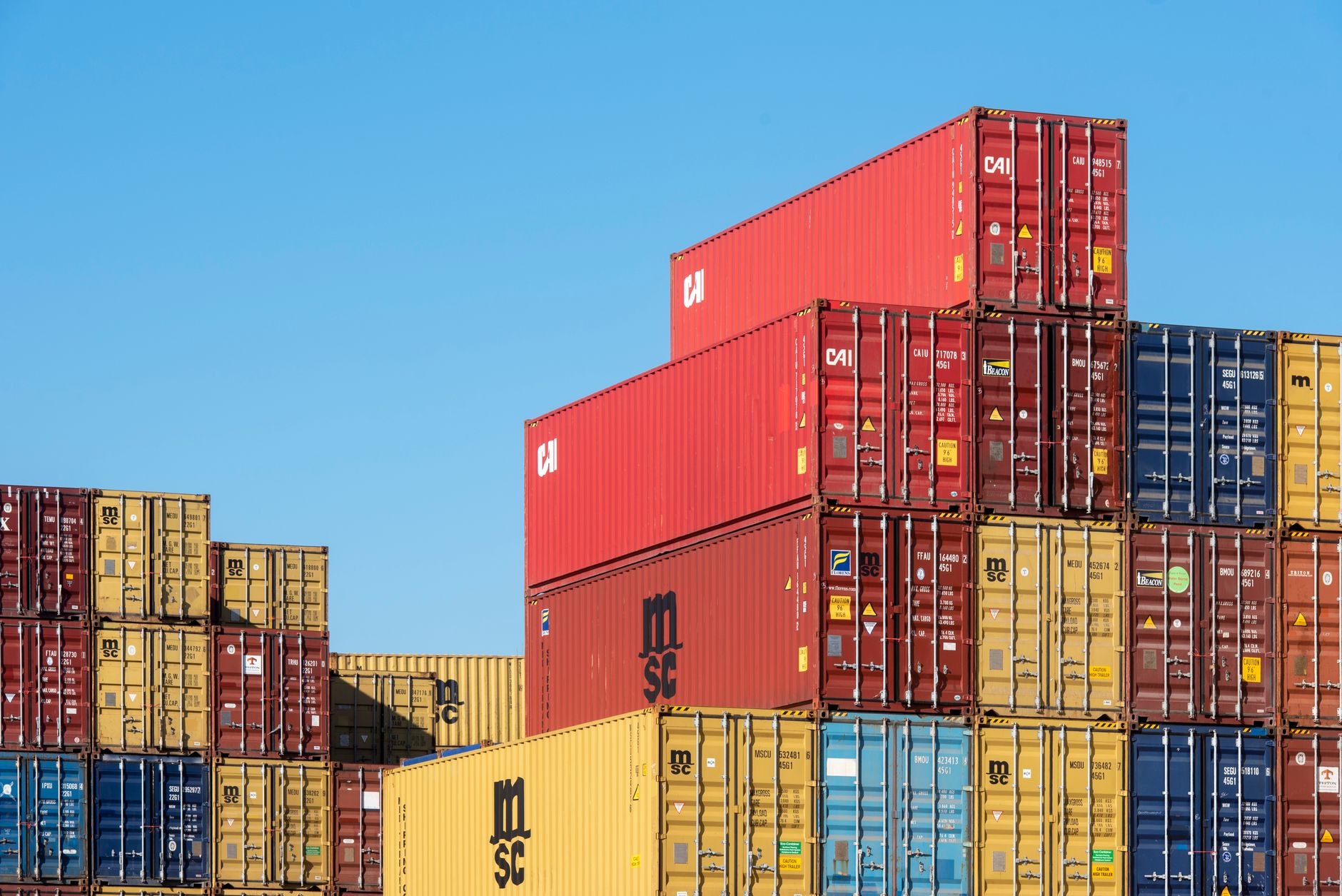
When planning to move goods internationally via sea, one of the first and most critical decisions a business owner or logistics manager must make is choosing between fcl vs lcl. This choice doesn’t just affect your shipping budget; it impacts your delivery timelines, the safety of your goods, and your overall supply chain efficiency.
At Turkey Cargo, we specialize in optimizing routes from Turkish ports to every corner of the globe. Understanding whether you need a dedicated container or a shared space is the foundation of a successful export or import strategy. Let’s break down these two primary shipping methods to help you decide which one aligns with your current operational needs.
What is FCL (Full Container Load)?
FCL occurs when a single shipper occupies the entire space of a shipping container. Regardless of whether you fill the container to its maximum capacity or leave some empty space, you pay for the exclusive use of that unit. FCL is the gold standard for high-volume shipments and businesses with consistent inventory flows.
Advantages of FCL Shipping
- Enhanced Security: Since the container is sealed at the point of origin and only opened at the destination, there is a significantly lower risk of damage or loss during transit.
- Faster Transit Times: FCL shipments bypass the “consolidation” and “de-consolidation” phases required for shared loads, leading to shorter lead times.
- Cost Efficiency for Large Volumes: When you have enough goods to fill most of a container, the cost per unit is substantially lower than any other sea freight option.
What is LCL (Less than Container Load)?
LCL is designed for shipments that are too large for air freight but too small to fill an entire 20ft or 40ft container. In an LCL arrangement, multiple shippers share space within a single container. A freight forwarder consolidates these various shipments into one unit and then separates them at the destination port.
Advantages of LCL Shipping
- Lower Entry Cost: You only pay for the volume (cubic meters) your cargo actually occupies, making it ideal for startups or SMEs.
- Inventory Flexibility: LCL allows you to ship smaller batches more frequently, helping you maintain leaner inventory levels and improve cash flow.
- Scalability: It serves as a perfect stepping stone; as your business grows, you can transition from LCL to FCL.
Comparing FCL vs LCL: Key Decision Factors
To determine the right path, you must evaluate your shipment based on three primary pillars: volume, budget, and urgency.
1. Cargo Volume and Weight
Generally, if your shipment exceeds 15-20 cubic meters (CBM), FCL becomes the more economical choice. If you are shipping a few pallets or small crates, LCL is the logical starting point. However, remember that in LCL, your goods are packed alongside other commodities, which requires professional packaging to prevent damage.
2. Cost Structure
FCL pricing is based on a flat rate per container, whereas LCL pricing is calculated based on weight or volume (whichever is greater). While LCL seems cheaper on the surface, remember that consolidation fees and port handling charges can add up. For a precise calculation, we recommend requesting a quote, as freight rates are highly volatile and depend on the destination port and current market demand.
3. Speed and Risk
If your timeline is tight, FCL is superior. LCL involves extra steps at the warehouse for loading and unloading shared cargo, which can add several days to the total transit time. If you are weighing sea options against faster alternatives, you might want to explore Air Freight vs Sea Freight to see if the speed of air transport justifies the cost for your specific cargo.
Summary Table: At a Glance
FCL: Best for large volumes, high security, and faster delivery. Higher upfront cost but lower cost per unit for full loads.
LCL: Best for small shipments, budget flexibility, and lean inventory. Slower transit due to consolidation processes.
Optimize Your Shipping Strategy with Turkey Cargo
Navigating the complexities of international logistics requires more than just choosing a container; it requires a partner who understands the Turkish customs landscape and global shipping lanes. Whether you are moving a single pallet via LCL or a fleet of containers via FCL, Turkey Cargo provides the expertise to ensure your goods arrive safely and on time.
Ready to move your goods from Turkey to the world? Explore our comprehensive Sea Freight from Turkey | FCL & LCL Shipping services to get a competitive quote and a customized routing plan for your business.
Frequently Asked Questions
LCL is generally safe, but because goods are shared with other shippers, there is a higher risk of movement. We recommend professional crating or reinforced packaging for fragile items in LCL shipments.
A good rule of thumb is when your cargo volume consistently exceeds 15 cubic meters. At this point, the cost of a full container often becomes cheaper than paying for the individual volume of LCL.
Yes. FCL containers move directly from the shipper to the port and then to the consignee. LCL requires time for consolidation at the origin and de-consolidation at the destination.
LCL costs are typically calculated based on the ‘revenue ton,’ which is a comparison between the weight (metric tons) and the volume (cubic meters) of the cargo; the higher value is used for pricing.