Turkey has evolved into a global manufacturing powerhouse, offering high-quality textiles, machinery, automotive parts, and food products to the world. However, for international buyers, the primary challenge isn’t finding the product—it is the logistics of getting it across borders efficiently. If you are looking to import from turkey, understanding the synergy between sourcing, customs, and freight is essential to avoid costly delays.
The Strategic Advantage of Importing from Turkey
Importing from Turkey provides a unique balance of European quality standards and competitive production costs. Geographically positioned as a bridge between Asia and Europe, Turkey offers shorter transit times to the EU and Middle East compared to East Asian markets. Whether you are dealing with high-volume industrial equipment or niche e-commerce goods, the right logistics partner ensures your supply chain remains lean and cost-effective.
Step-by-Step Process to Import from Turkey
Navigating the import process requires a structured approach. At Turkey Cargo, we streamline this journey through the following stages:
1. Sourcing and Quality Control
The first step is identifying reliable manufacturers. Beyond just finding a supplier, it is critical to verify production capacities and quality standards. We provide comprehensive sourcing services, helping you find the right wholesalers or workshops in sectors like leather, furniture, and textiles, while conducting production monitoring to ensure the goods meet your specifications before they leave the factory.
2. Documentation and Compliance
Paperwork is the most common bottleneck in international trade. To avoid customs seizures or fines, every shipment must be accompanied by accurate documentation. This includes the Commercial Invoice, Packing List, and Certificate of Origin. For those unfamiliar with the technicalities, we recommend reviewing our Export Import Documents Checklist | Turkey Cargo to ensure no detail is overlooked.
3. Choosing the Right Freight Mode
Depending on your budget and urgency, you must select the most appropriate transport method. The cost of shipping varies based on weight, volume, and destination, so we always recommend requesting a personalized quote for the most accurate pricing.
Shipping Options for Importing from Turkey
Depending on the nature of your cargo, Turkey Cargo offers a diverse range of transport solutions to optimize your import costs:
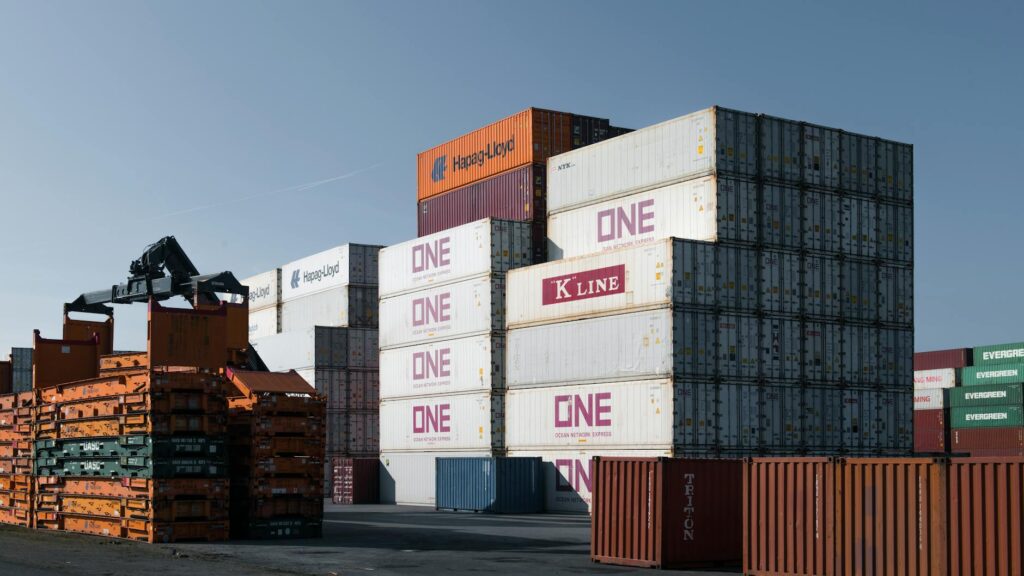
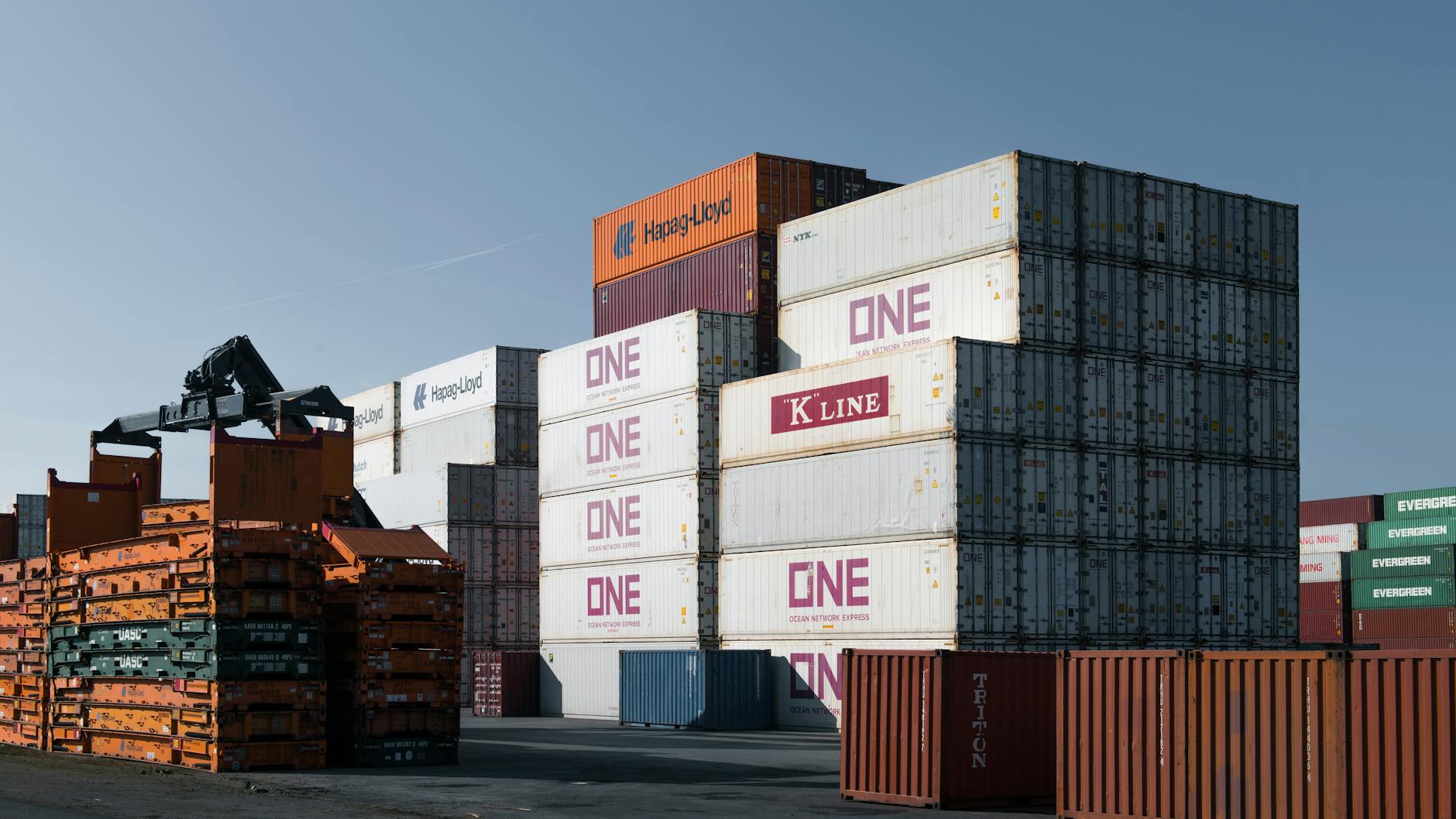
- Sea Freight: Ideal for large volumes. We offer both FCL (Full Container Load) and LCL (Less than Container Load) services from major Turkish ports to any global destination, utilizing a wide carrier network to find the most efficient routes.
- Air Freight: The best choice for urgent or high-value shipments. We provide delivery within 24-72 hours via Turkey’s main air hubs. To understand how costs are calculated for these shipments, visit our guide on How Air Freight Pricing from Turkey Works | Turkey Cargo.
- Road Freight: A flexible solution for shipments to Europe, the Balkans, the Middle East, and Central Asia, utilizing our FTL and LTL fleet.
- Rail Freight: An economical alternative to air and faster than sea, specifically via the Turkey-China Middle Corridor.
Specialized Import Solutions
Not all imports are standard. Some require specialized handling to ensure safety and legal compliance:
E-commerce and Amazon FBA
For online sellers, the process is different. If you are shipping small parcels, you can utilize how to ship ecommerce parcels from Turkey | Turkey Cargo to reach end consumers directly. For those selling on Amazon, we provide full FBA Prep services, including FNSKU labeling and palletizing, ensuring your goods are delivered directly to warehouses in the US, UK, Germany, and beyond.
Micro Exports (ETGB)
For shipments under 300 kg, the Micro Export system offers significant VAT advantages and simplified customs. You can learn more about this in our Micro Export from Turkey ETGB Guide | Turkey Cargo.
Customs Brokerage and Project Cargo
Complex imports—such as heavy machinery, turbines, or dangerous goods—require expert intervention. Our Class-A licensed customs brokers handle HS classification and valuation to ensure a smooth transit. For oversized loads, our Project Cargo team conducts engineering studies and route analysis to manage the delivery of out-of-gauge equipment.
Who Should Use Turkey Cargo for Their Imports?
Our services are designed for a wide spectrum of business models:
- Wholesalers: Who need reliable FCL/LCL sea freight and warehousing in Istanbul, Ankara, or Izmir.
- E-commerce Brands: Who require 3PL logistics, Amazon FBA prep, and express delivery to global customers.
- Industrial Buyers: Who import heavy machinery and require project cargo planning and professional customs brokerage.
- Specialty Traders: Who deal with cold chain logistics (perishables) or high-value cargo (VAL) requiring armed escorts and GPS tracking.
Final Tips for a Successful Import Journey
To ensure a seamless experience when you import from turkey, always prioritize transparency with your supplier regarding lead times and packaging. Ensure that your cargo insurance is active to protect against transit damage or loss. By partnering with a comprehensive logistics provider like Turkey Cargo, you transform a complex international operation into a streamlined business process.
Frequently Asked Questions
Standard requirements typically include a Commercial Invoice, Packing List, and Certificate of Origin. Depending on the product, a Bill of Lading (Sea) or Air Waybill (Air) is required, along with specific certificates such as health or quality certificates for certain goods.
Transit times vary by mode: Air freight typically takes 24-72 hours, road freight to Europe takes several days to a week, and sea freight can take several weeks depending on the port of destination.
Yes, we offer professional sourcing services. We can help you identify reputable manufacturers, monitor production, and perform quality control before the shipment is dispatched.
For shipments under 300 kg, the Micro Export (ETGB) system is highly recommended as it simplifies customs and allows for VAT refunds, making it a cost-effective alternative to traditional express couriers.