
Relocating your life to a new country is a monumental step, but the logistics of moving household goods from Turkey to Europe can often feel overwhelming. Unlike standard commercial shipments, household moves involve sentimental items, oversized furniture, and complex customs regulations regarding “personal effects.” Whether you are moving for a new job, family reasons, or a lifestyle change, understanding the nuances of international relocation is key to avoiding costly delays and damaged goods.
Understanding the Customs Process for Personal Effects
When moving household goods from Turkey to Europe, the most critical phase is the customs clearance. Most European Union countries allow for the duty-free import of personal belongings provided you are establishing residency in that country. This is typically categorized as “Transfer of Residence” (ToR).
Essential Documentation
To ensure a smooth transition through customs, Turkey Cargo recommends preparing the following documents in advance:
- Detailed Inventory List: A comprehensive list of every item being shipped, including estimated values and descriptions.
- Proof of Residency: A copy of your new employment contract, rental agreement, or residency permit in the destination country.
- Passport and ID: Valid identification for all family members moving.
- Customs Declaration: Specific forms required by the destination country’s customs authority.
Because customs laws vary significantly between EU nations and non-EU countries like the UK or Switzerland, our Class-A shipping from Turkey to Europe experts can help you navigate the specific HS classifications and valuation requirements to avoid unexpected taxes.
Choosing the Right Transport Mode
Depending on the volume of your goods and your budget, there are three primary ways to handle the transit of your belongings.
Road Freight: The Most Popular Choice
For the majority of people moving household goods from Turkey to Europe, road freight is the most efficient option. Using FTL (Full Truck Load) or LTL (Less than Truck Load) allows for door-to-door service. Our fleet of TIR vehicles ensures that your furniture and electronics are transported securely across borders with minimal handling.
Sea Freight: Best for Large Volumes
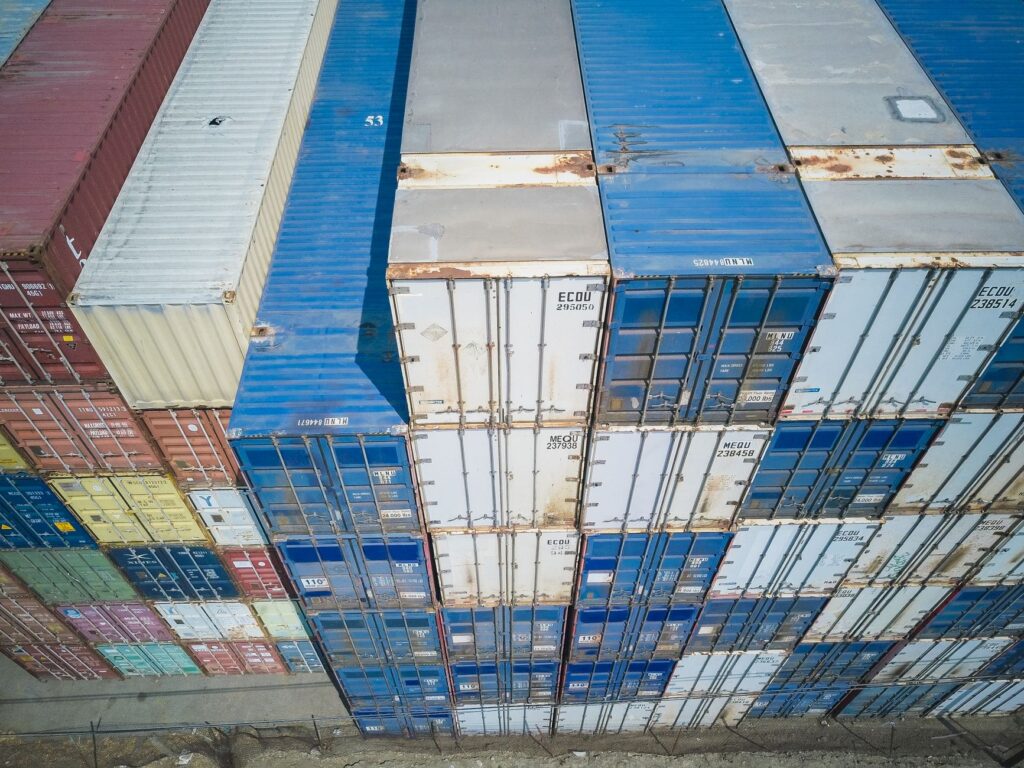
If you are moving an entire villa or have very heavy machinery and large furniture sets, sea freight from Turkey is the most economical solution. Whether you choose a Full Container Load (FCL) for maximum security or a shared LCL container to save costs, sea freight provides the stability needed for massive shipments.
Air Freight: For High-Value or Urgent Items
Some items, such as high-end art, jewelry, or essential electronics, may require faster and more secure handling. In such cases, air freight from Turkey is the ideal choice, offering delivery within 24-72 hours to major European hubs.
Packing and Packaging Requirements for Safe Transit
Household goods are susceptible to damage due to vibrations, temperature shifts, and shifting loads. Proper packaging is not just a recommendation; it is a necessity for a successful move.
Furniture Protection
Wooden furniture should be wrapped in bubble wrap and then secured with corrugated cardboard sheets to prevent scratches. Large items should be strapped and padded to avoid movement within the truck or container.
Fragile Items and Glassware
Use double-walled boxes for glassware and ceramics. Fill gaps with packing peanuts or crumpled paper to ensure no item moves within the box. Clearly mark these boxes as “FRAGILE” on all sides.
Electronics and Appliances
Electronics should be packed in their original packaging if possible. If not, use anti-static wrap and thick foam padding. Ensure that refrigerators and washing machines are completely drained and dried to prevent mold growth during transit.
Critical Constraints and Prohibited Items
When moving household goods from Turkey to Europe, be aware that certain items are strictly regulated or prohibited:
- Flammable Liquids: Aerosols, paints, and fuels are prohibited in standard household moves.
- Perishable Foods: Most European borders have strict phytosanitary rules against importing homemade foods or fresh produce.
- Dangerous Goods: Batteries (especially large lithium-ion ones) must be declared and handled according to ADR/IATA standards.
- Plants and Seeds: These often require specific agricultural certificates and can be confiscated if undocumented.
Cost Estimation and Planning
Many clients ask about the fixed cost of moving their homes. However, pricing for moving household goods from Turkey to Europe is highly variable. It depends on the total volume (cubic meters), the destination city, the chosen transport mode, and the level of customs assistance required. To get an accurate quote, we recommend providing a detailed inventory list for a personalized assessment.
To further protect your investment, Turkey Cargo offers comprehensive Cargo Insurance. Whether it is a “All Risks” policy or specific coverage for high-value antiques, insurance provides peace of mind against unforeseen transit damage or loss.
Frequently Asked Questions
Generally, if you are moving your primary residence and have lived with the items for a certain period (usually 6 months), you can import them duty-free under the ‘Transfer of Residence’ rule. However, this requires specific documentation and customs declarations.
Depending on the volume and customs processing times, road transport typically takes between 7 to 14 days for most Western European destinations.
Yes, cars can be shipped via sea container or specialized car carriers. Note that vehicles have different customs regulations and may require separate import taxes depending on the destination country.
We recommend custom wooden crating for high-value antiques. This provides structural protection and prevents other items from pressing against the piece during transit.